
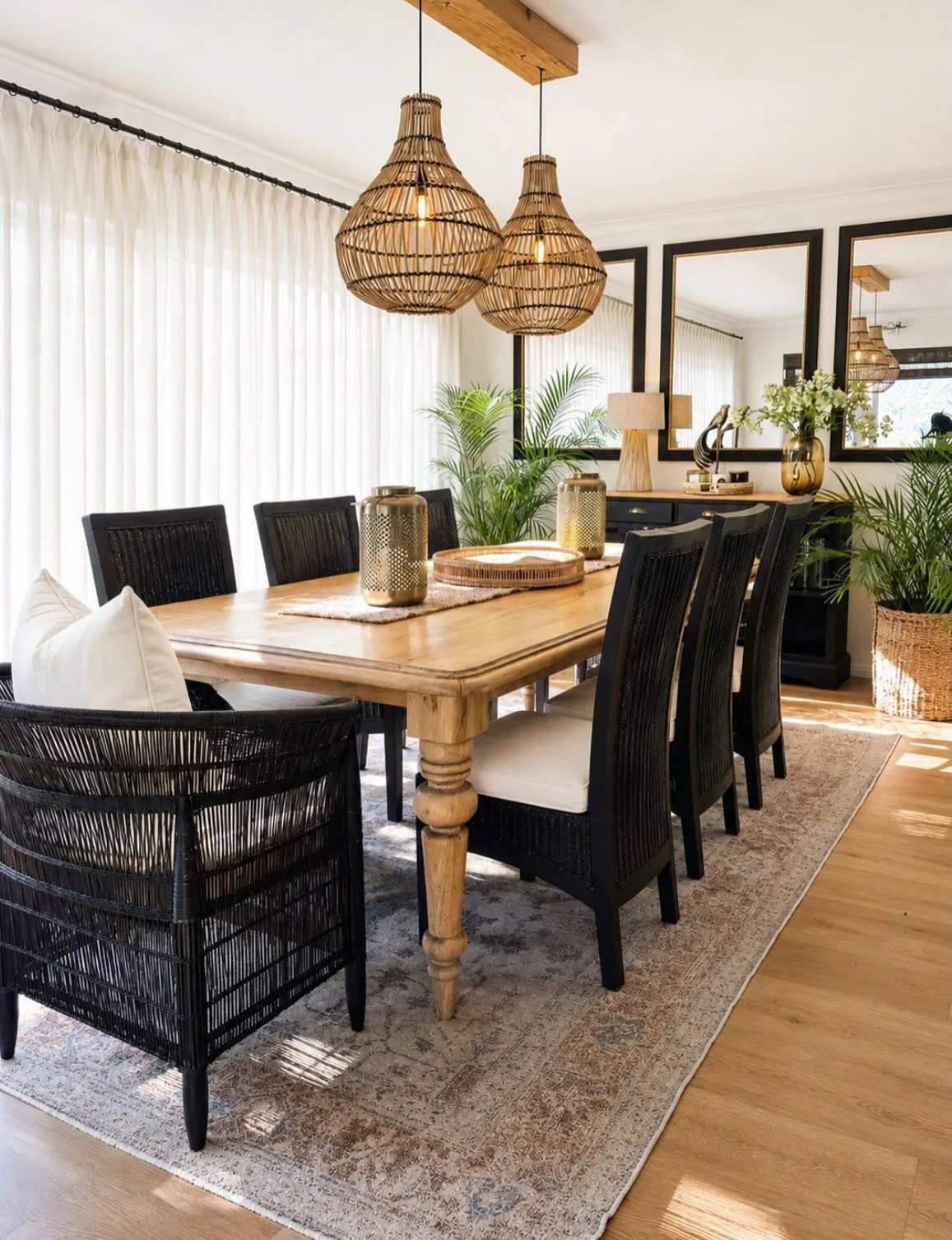
"What will it cost to stage my house?" is the first question almost every seller asks us, and it is the one the internet answers worst. Search it and you'll get American figures in dollars, per-square-foot maths that means nothing here, and a lot of South African pages that talk around the number without ever giving one.
So here is the honest version. We went looking for published South African staging prices, and there is essentially one benchmark in print. Rather than invent a range to fill the gap, we've set out what that benchmark is, what actually drives your quote up or down, and what to ask so the number you're given means something.
The one number anybody has published
Private Property puts it plainly:
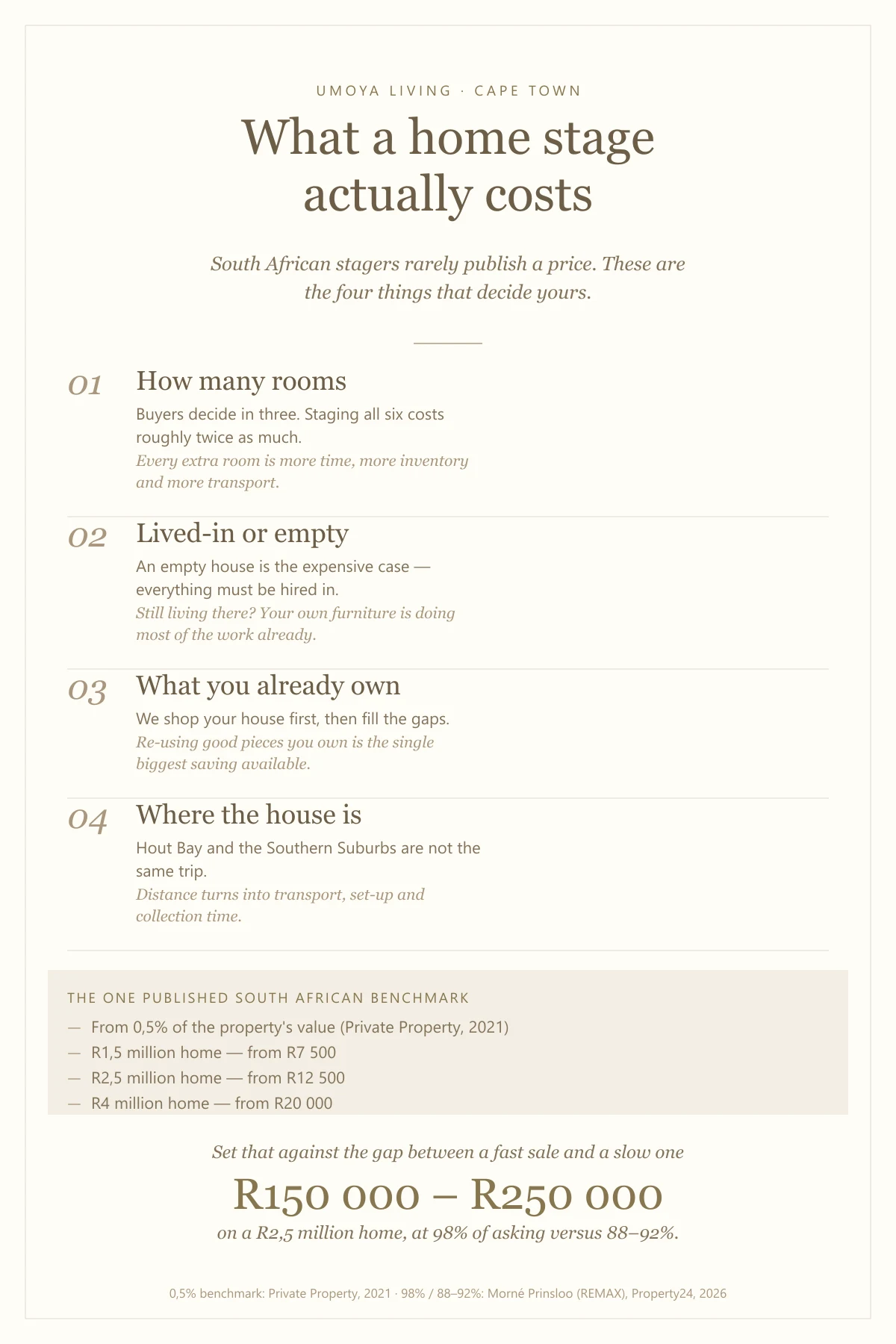
You can expect to pay at least 0,5% of your property value for a home stage.
That is the only published South African benchmark we could find, and its limits matter: it is a floor rather than a range, and it was written in 2021. Treat it as the opening of a conversation, not a current quote. Worked through, it comes to roughly:
- R1,5 million home — from about R7 500
- R2,5 million home — from about R12 500
- R4 million home — from about R20 000
Every stager we know of quotes per job rather than off a list, which is why you'll rarely find those numbers written down anywhere.
What you're actually paying for
It helps to know what sits inside the fee. Pam Golding describes it as a rate covering their time – creating a staging strategy, selection of furniture and accessories, as well as a rental fee for the use of their inventory. In practice that is three separate things bundled into one number: thinking, sourcing, and the loan of physical stock.
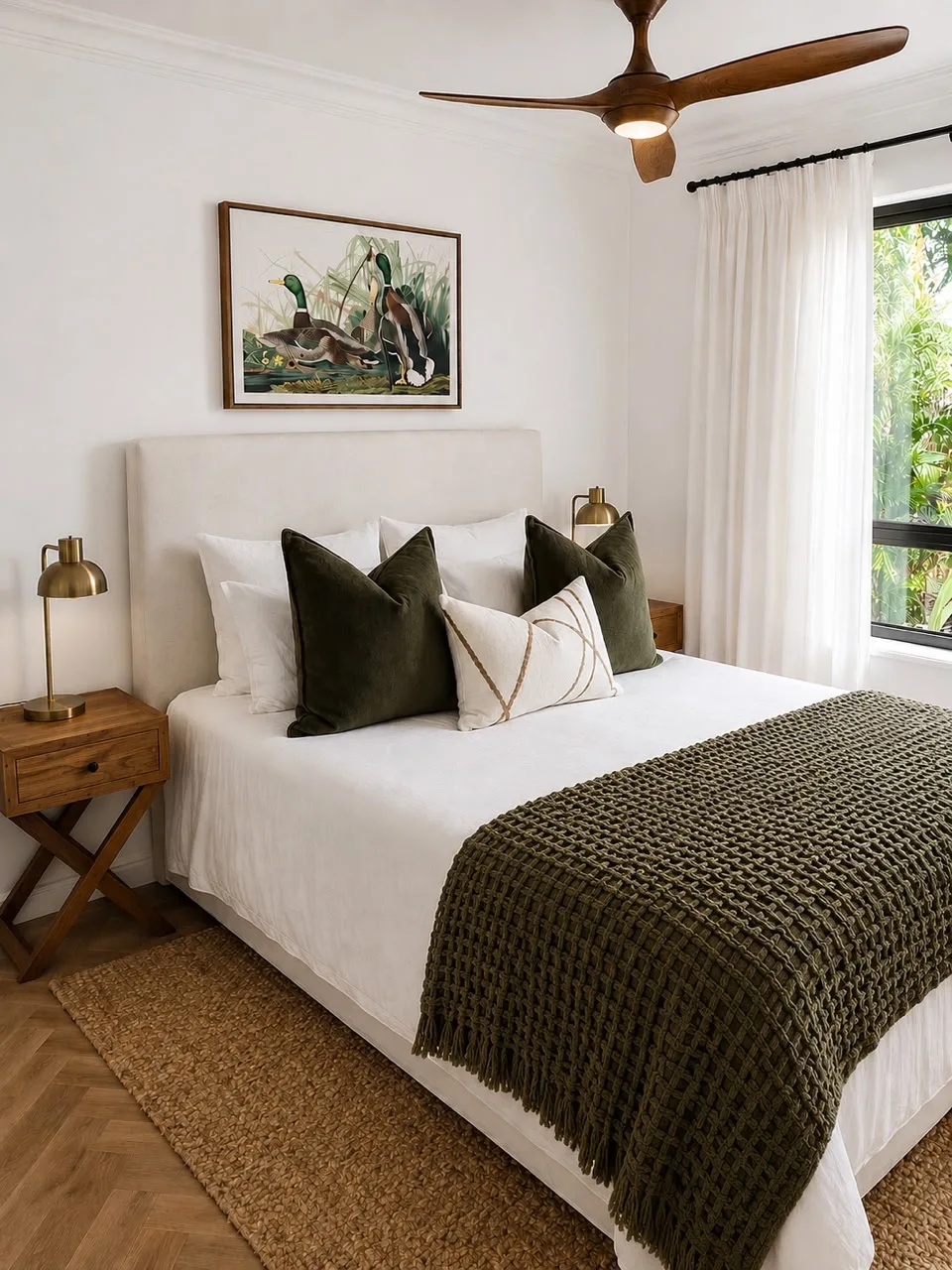
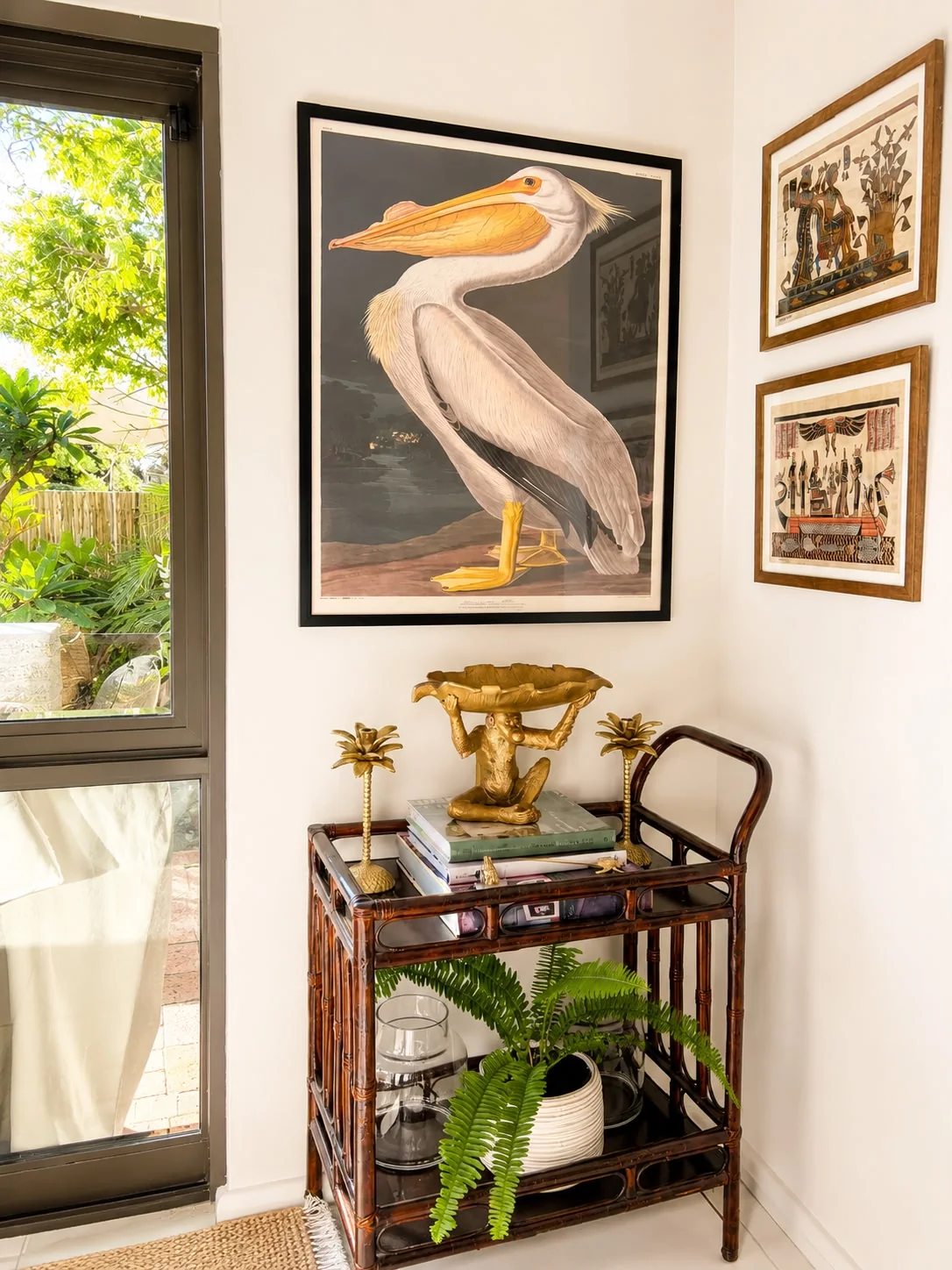
Look at a finished room and you can almost read the invoice off it. The bed linen, the cushions, the throw, the pair of lamps, the framed print, the rug underneath. None of it is expensive on its own. Together they are the reason the room photographs the way it does.
The four things that move your price
Private Property lists the drivers as where you live, the labour involved, the number of rooms that need to be staged, transport costs, and more. That matches what we see. Put simply:
- How many rooms. Buyers decide in three — the entrance, the main living area and the main bedroom. Staging six rooms rather than three is roughly twice the work.
- Lived-in or empty. An empty house is the expensive case, because every stick of furniture has to come from somewhere.
- What you already own. We shop your house first. The more good pieces you have, the less we bring in, and re-use is the single biggest saving available to you.
- Where the house is. Distance turns into transport, set-up and collection time. Hout Bay and the Southern Suburbs are not the same trip.
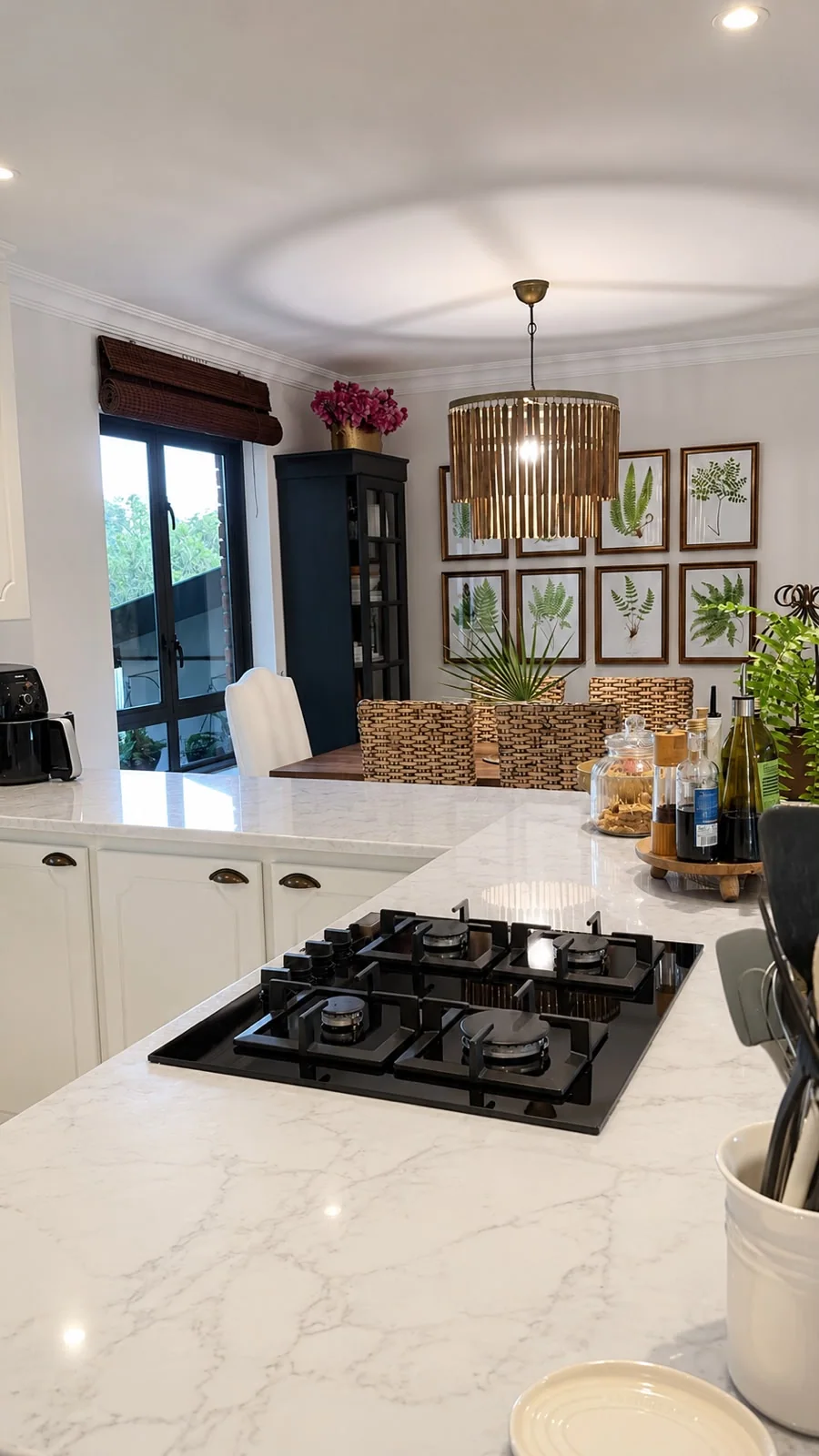
An empty house costs more, not less
Sellers often assume that moving out first will make staging cheaper. It is the other way round. An empty house needs an entire inventory hired in and taken away again, and Private Property notes that properties that are empty tend to be much harder to sell, and often sit on the market for longer — so you pay more and wait longer.
If you're still in the house — which, as we've written about staging a home while you're living in it, most Cape Town sellers are — your sofa, your bed and your dining table are already there. What's left is editing, rearranging and filling a few gaps. That is a far smaller job than furnishing an empty shell.
Is it worth it?
The only fair way to judge the cost is against what's at stake. REMAX's Morné Prinsloo, writing on Property24, reports that properties that sell in the first 30 days with strong presentation achieve around 98 percent of asking price while those that sit beyond 90 days achieve between 88 and 92 percent.
On a R2,5 million home, that gap is somewhere between R150 000 and R250 000 — against a staging spend that starts nearer R12 500.

We'd add the usual caution: those are one agent's figures for presentation generally, not a promise about your house. Price, location and the market do most of the work. But the arithmetic is worth sitting with before deciding that staging is an expense you'll skip.
How to get a number you can trust
Ask any stager three things: what is included in the fee, how long the inventory stays, and what happens if the house doesn't sell inside that period. A quote that doesn't answer those isn't really a quote. Ask, too, what they'd re-use from what you already own — anyone who wants to bring everything in hasn't looked properly.
We quote per house, after walking through it, because the four drivers above land differently in every home. If you'd like a real number rather than a range off the internet, tell us about the house and we'll come and look.
Frequently asked questions
How much does house staging cost in South Africa?
The one published South African benchmark, from Private Property in 2021, is at least 0,5% of the property's value — roughly R12 500 on a R2,5 million home. Most stagers quote per house rather than from a price list.
What is the point of home staging?
To help a buyer picture themselves living there. Staging changes how quickly a house sells and how close it gets to asking price, by making rooms read as light, spacious and cared for in photographs and in person.
What increases a house's value the most?
Structural work — kitchens and bathrooms — but that is renovation, not our field. Staging doesn't change what a house is worth. It changes what buyers perceive, how fast it sells, and how much of the asking price you keep.