
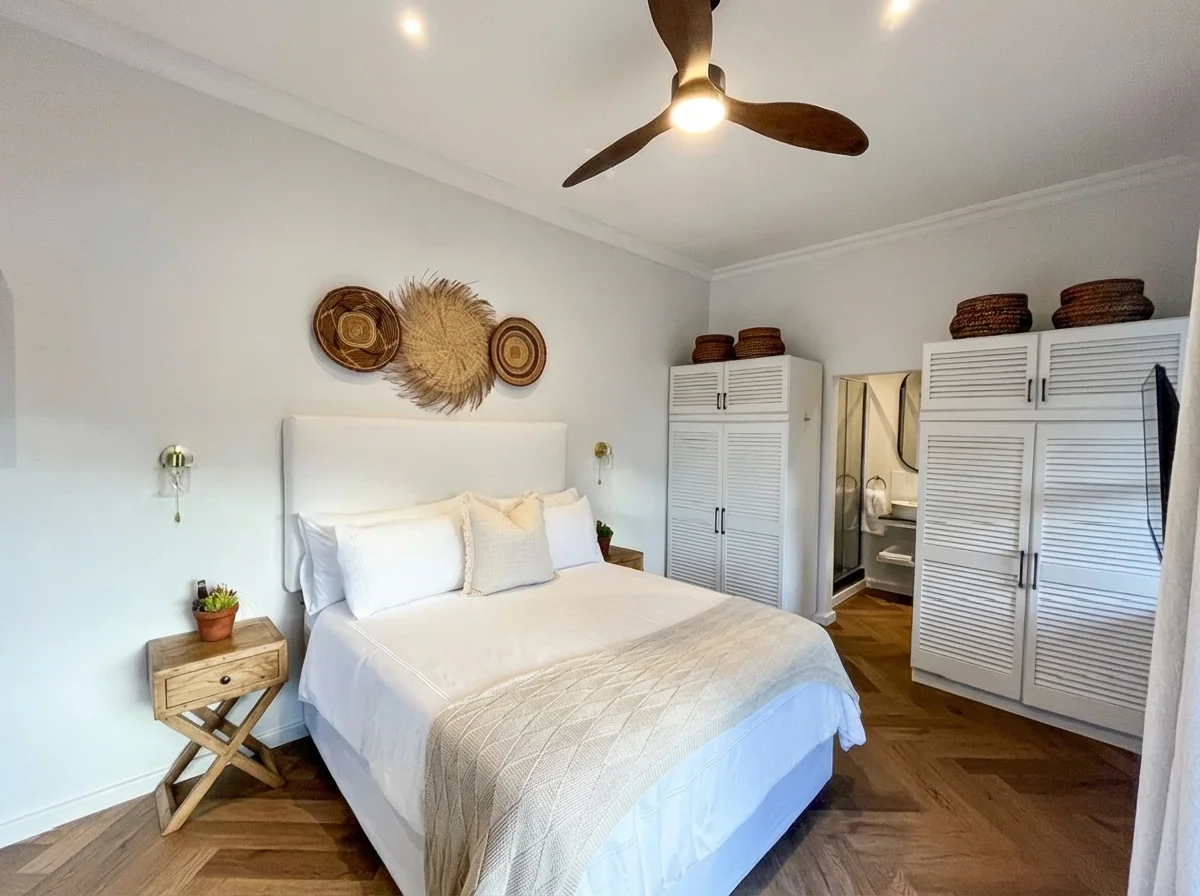
There is a great deal of advice about what to do when you put a house on the market, and much less about what to stop doing. In our experience the mistakes are rarely laziness. They are almost always someone trying very hard in the wrong direction: a seller who has read six articles, given up a weekend to it, and made the house harder to sell than it was on the Friday.
These are the ones we come across most often in Cape Town homes, and what we would do instead. If you are at the very start of this, what home staging actually involves covers the shape of the job. This is about the ways it goes wrong.
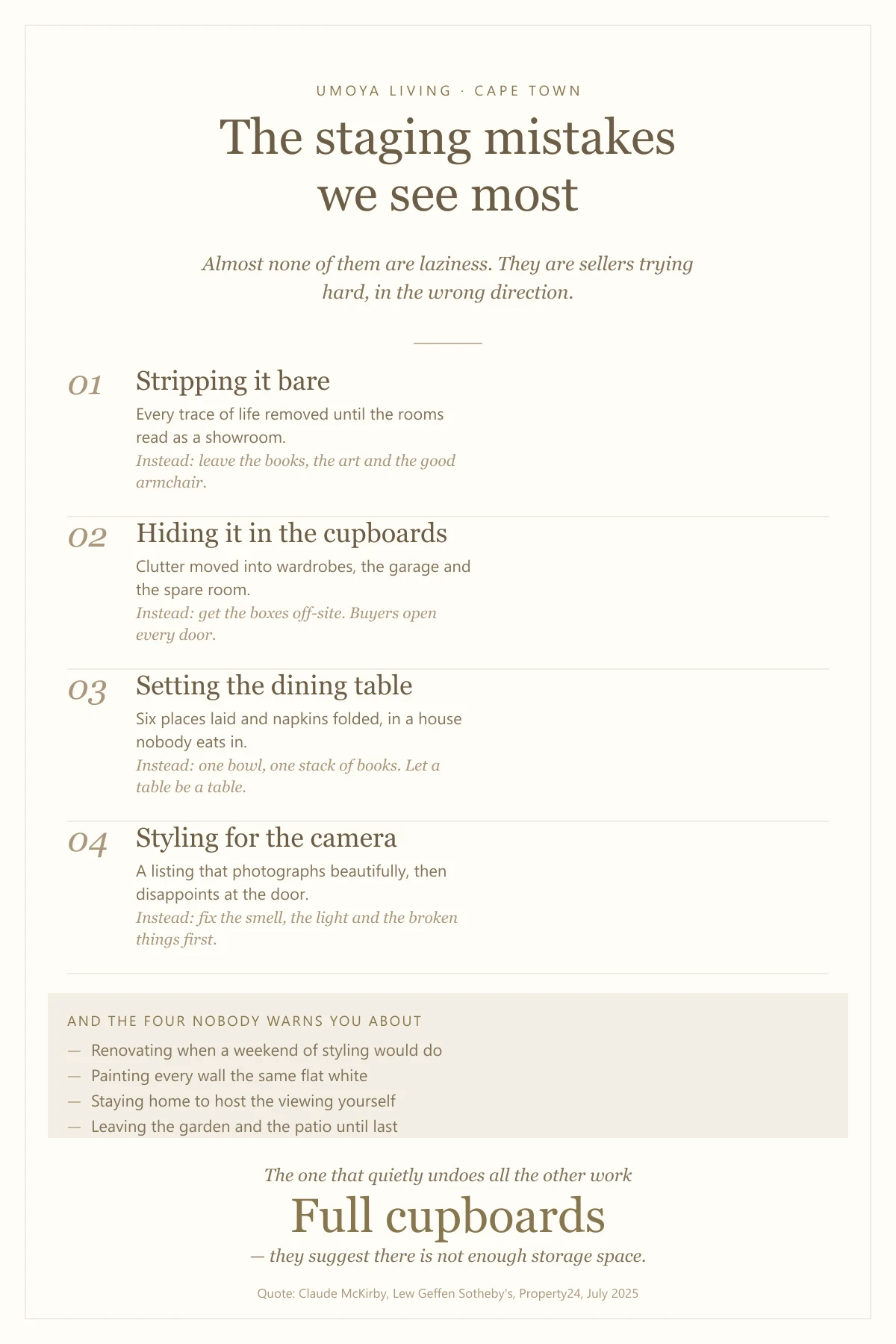
Don't strip the house back to nothing
This is the commonest by a distance. Somebody reads that a house should be a blank canvas, and by the time we arrive there is a sofa, a bed and very little else. Every book packed, every plant gone, the walls bare.
A house emptied that far does not read as spacious. It reads as abandoned, and it photographs flat, because there is nothing for the eye to settle on and nothing left to give a room its scale. Depersonalising and emptying are not the same job, which is the distinction we drew in staging a home you are still living in. The family photographs come down. The books, the art, the plants and the good armchair stay.
The same instinct sends people to the paint shop for five litres of flat brilliant white. Neutral does not have to mean white, and white is the least forgiving colour in a Cape Town room: it goes blue in the shade and it shows every scuff the light finds. A warm off-white or a soft greige holds the light without draining it.
Don't just move it all into the cupboards
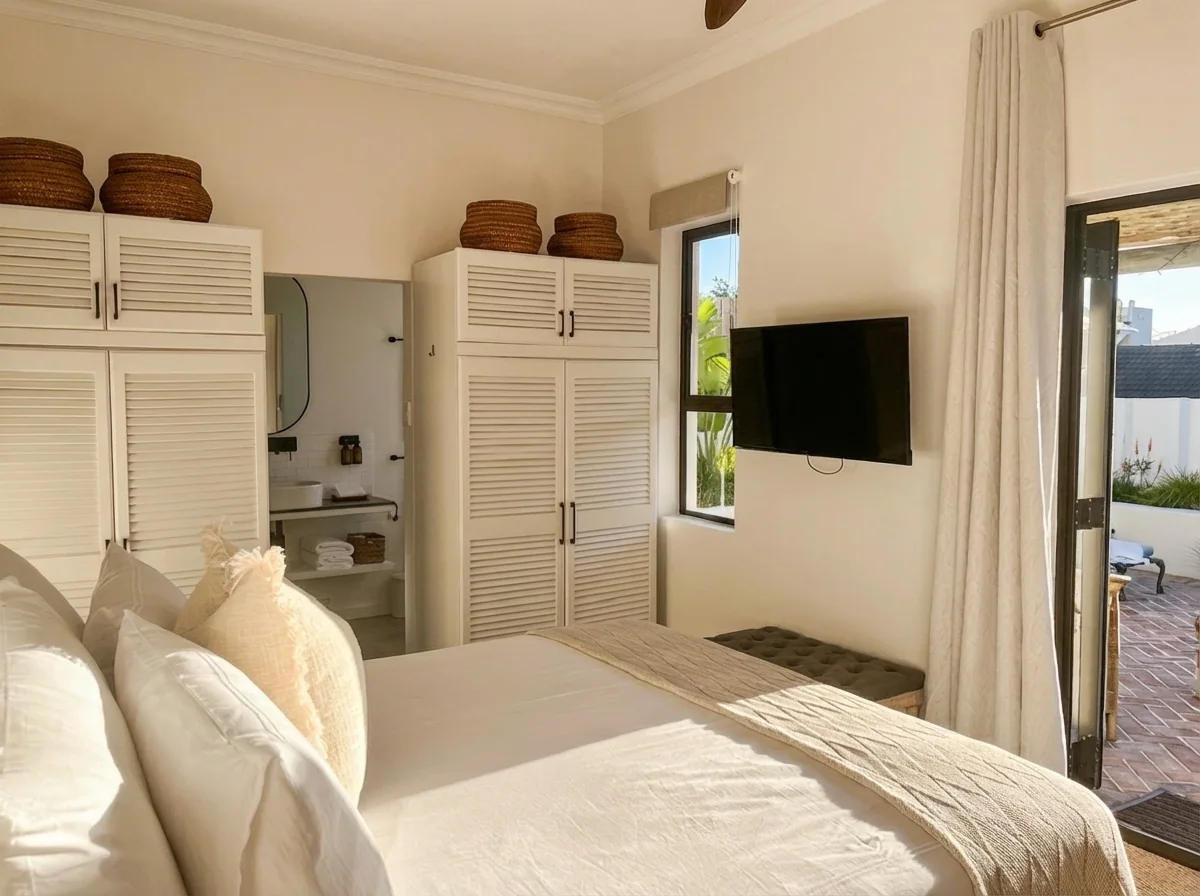
The second commonest. The surfaces are clear, because everything that was on them is now in the wardrobe, the garage and the spare room. It works beautifully right up to the moment a buyer opens a door, and buyers open doors. Writing on Property24, Claude McKirby of Lew Geffen Sotheby's International Realty in Cape Town's Southern Suburbs puts the consequence in one line:
Full cupboards suggest there is not enough storage space.
That is the whole problem. You have not hidden the clutter, you have converted it into a storage complaint, and a buyer who decides your house is short on storage is worrying about something far more expensive than a full worktop. McKirby's remedy is the one we give too: if you're selling, chances are you'll be moving soon, so pack what you can in boxes for storage. Off-site, though. Not the garage, because they open that as well.
Don't set the dining table
This comes up so often that it has become a search of its own, so: no, we don't. Six places laid, napkins folded and wine glasses out, in a house where nobody is about to eat, reads as a stage set. It invites the buyer to notice the staging rather than the room, and it tells them nothing useful about the space they are standing in.
One bowl, one low arrangement, a stack of books. Let a table be a table, and leave the buyer room to picture their own Sunday lunch on it.
Don't renovate when styling would do
Sellers regularly decide, six weeks before listing, that the kitchen has to be replaced. Renovation is not our field. We don't do it and we don't advise on it, but we can tell you what we tend to see afterwards, which is a seller who has spent a large sum on the single element a buyer was most likely to want to choose for themselves.
Paint, light and the arrangement of what is already in the house move a viewing considerably further per rand spent. If you want the arithmetic on what the styling side of it actually costs, we set out the one published South African benchmark in our note on staging prices.
Don't leave the outside until last
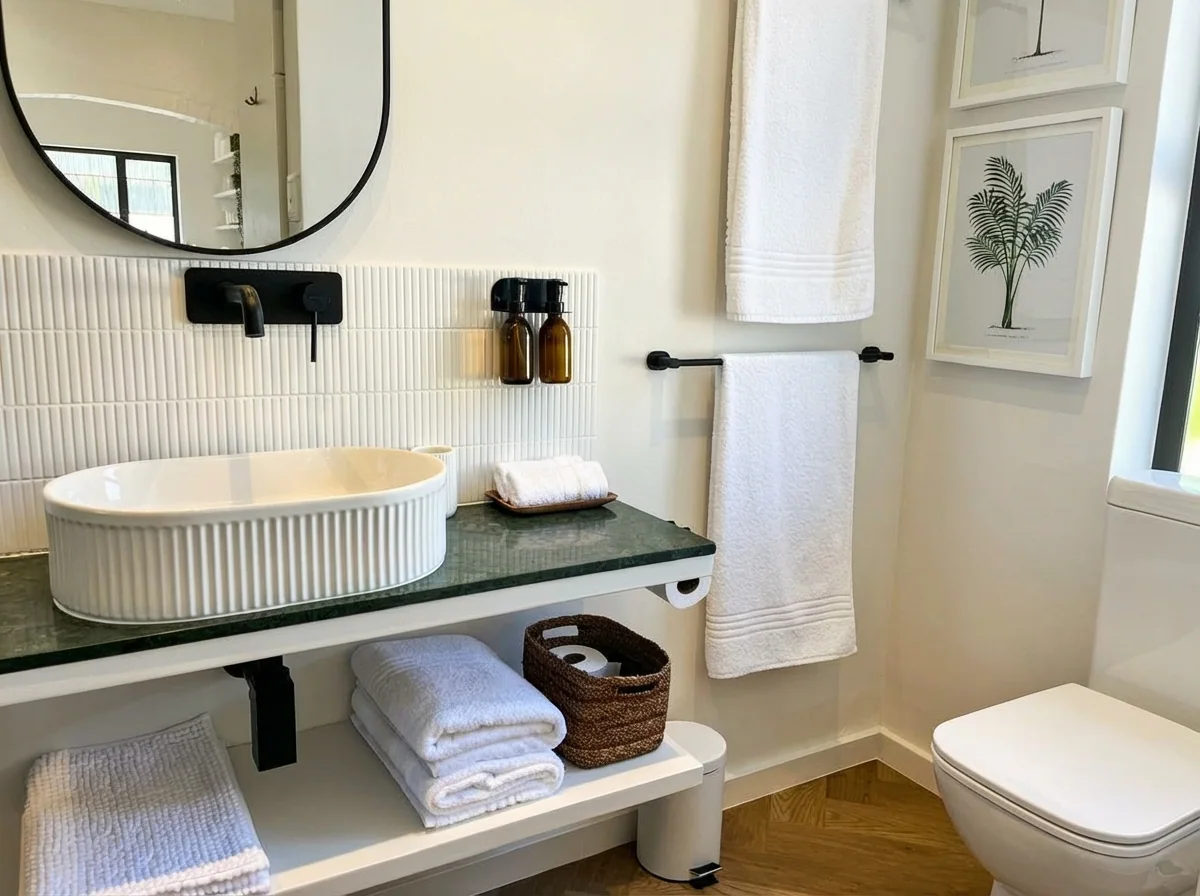
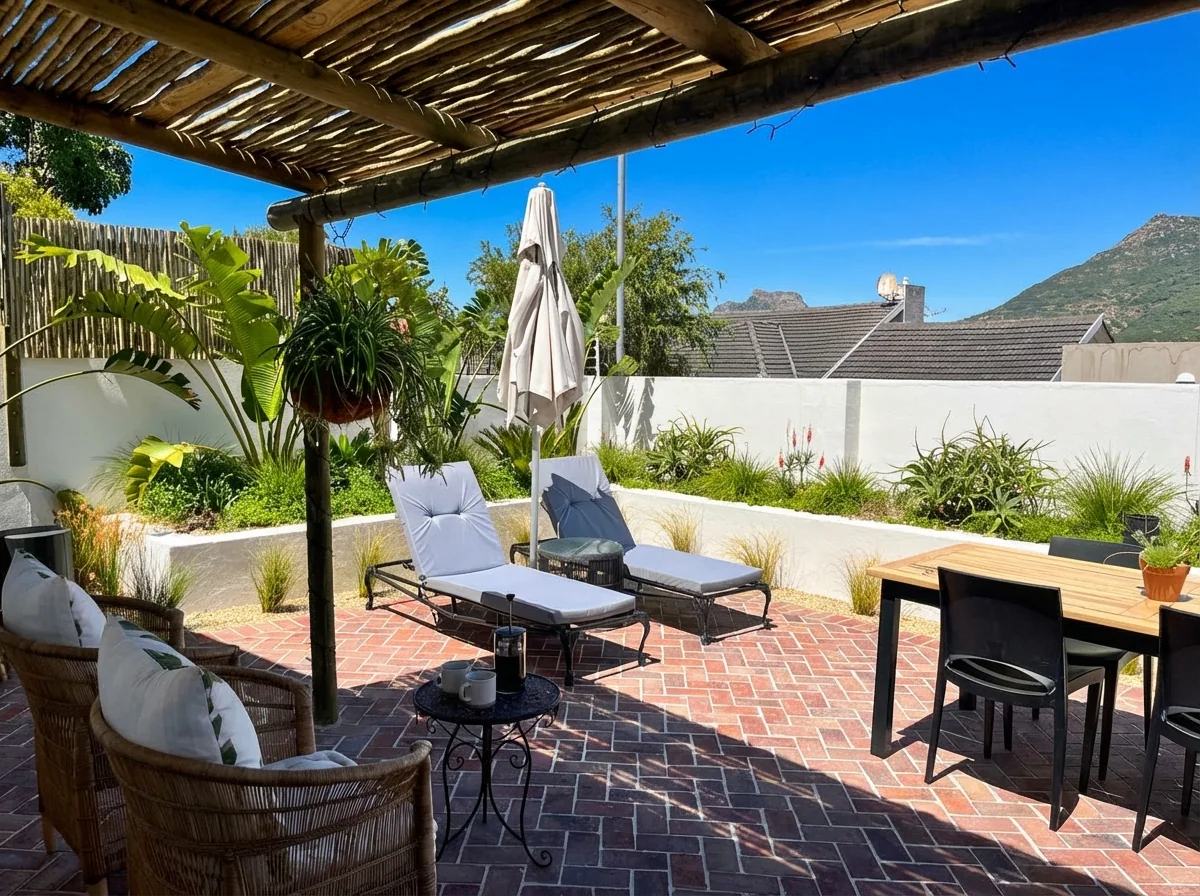
The garden, the stoep and the patio get done on the Friday before the first viewing, if they get done at all. In Cape Town that is a real loss. Outside space is very often the thing that separates your house from the near-identical one two streets away, and it is what buyers photograph on their phones to show whoever didn't come.
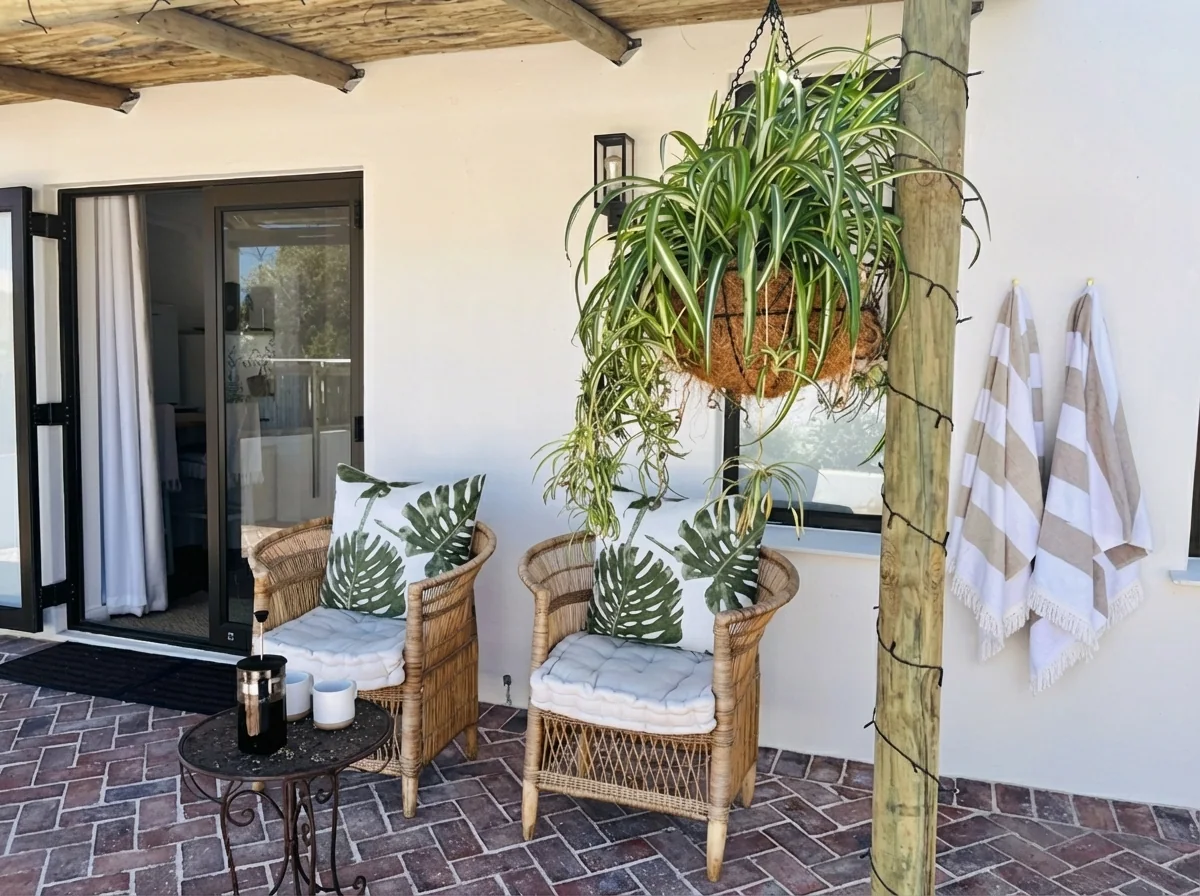
It does not need planting. It needs cutting back, sweeping, the pool clear, and somewhere that plainly says you would sit here. Two chairs and a small table will do it.
Don't style for the camera and forget the front door
A listing that photographs beautifully and then disappoints in person is worse than one that never drew the enquiry at all, because you have spent the buyer's goodwill getting them to the gate. The things that never photograph are usually the ones that decide a viewing: how the house smells, how warm or cold it is, whether the light switch by the door actually works.
Private Property makes the point about scent directly — as buyers walk through the door, they immediately register how the home smells — and names coastal humidity, pets, dampness and lingering cooking odours as the usual causes. Cape Town supplies all four. Open the house early and air it properly, and resist the plug-in air freshener: a strong artificial scent reads as something being covered up.
Don't be in the house when they come
Sellers want to help. They know exactly where the afternoon light falls, which cupboard hides the geyser, and they are quite certain the agent will forget to mention the underfloor heating. Staying almost always makes it worse.
A potential buyer also needs to be able to picture the home as their own — something that is difficult to do when owners, and sometimes their family and pets too, are hanging around.
That is Private Property's phrasing, and we have watched it play out in enough houses to think it is right. A buyer who feels watched moves quickly, opens nothing, and never stands still long enough to picture a life there. Go and have coffee somewhere. Take the dog with you.
If you have done three of these
Most sellers have, and none of it is hard to undo. Take the boxes out of the garage, clear the dining table, put two books and a plant back in the lounge, cut the garden back, and open the windows for an hour before anybody arrives.
Judging your own house is genuinely difficult, because you stopped properly seeing it years ago. If you would like a second pair of eyes before the photographer comes, tell us about the house and we will come and walk through it with you.
Frequently asked questions
What not to do before you sell your house?
Don't renovate in the last six weeks, don't strip rooms back to bare walls, and don't move the clutter into the cupboards. Fix the smell, the light and the small broken things first — they cost least and change most.
Should you set the table when staging a home?
We don't. A fully laid table in a house nobody is eating in reads as a stage set and draws attention to the staging itself. One bowl or a low arrangement does more, and leaves the table looking usable.
What are some red flags when selling?
The ones buyers notice most: a house that smells strongly of air freshener, cupboards packed to the door, fresh paint in one patch only, and an owner following them from room to room. Each suggests something is being covered up.