
Every house we stage has the same real deadline, and it is not the first viewing. It is the morning the photographer arrives. Whatever the house looks like in that hour is what the listing looks like for as long as it is on the market, and no amount of tidying afterwards changes the pictures a buyer has already scrolled past.
So this is the checklist we actually work through, in the order we work through it — two weeks out, one week out, the morning itself, and the last half hour before anyone points a camera at anything. It assumes you are still living in the house, because in Cape Town you almost certainly are. If you want the wider picture first, the way we stage Cape Town homes sets out what the job involves.
We are not the only ones who put the shoot at the centre of it. Adrian Goslett, CEO and Regional Director of REMAX Southern Africa, writing on Property24 in July, is blunt about the order of things: Before the photoshoot takes place, ensure that you prepare the home for the images. He adds that well-lit, high-quality images can make a home feel warm, welcoming and spacious, while dark, blurry or poorly framed photos can discourage potential buyers before they've even read the listing description.
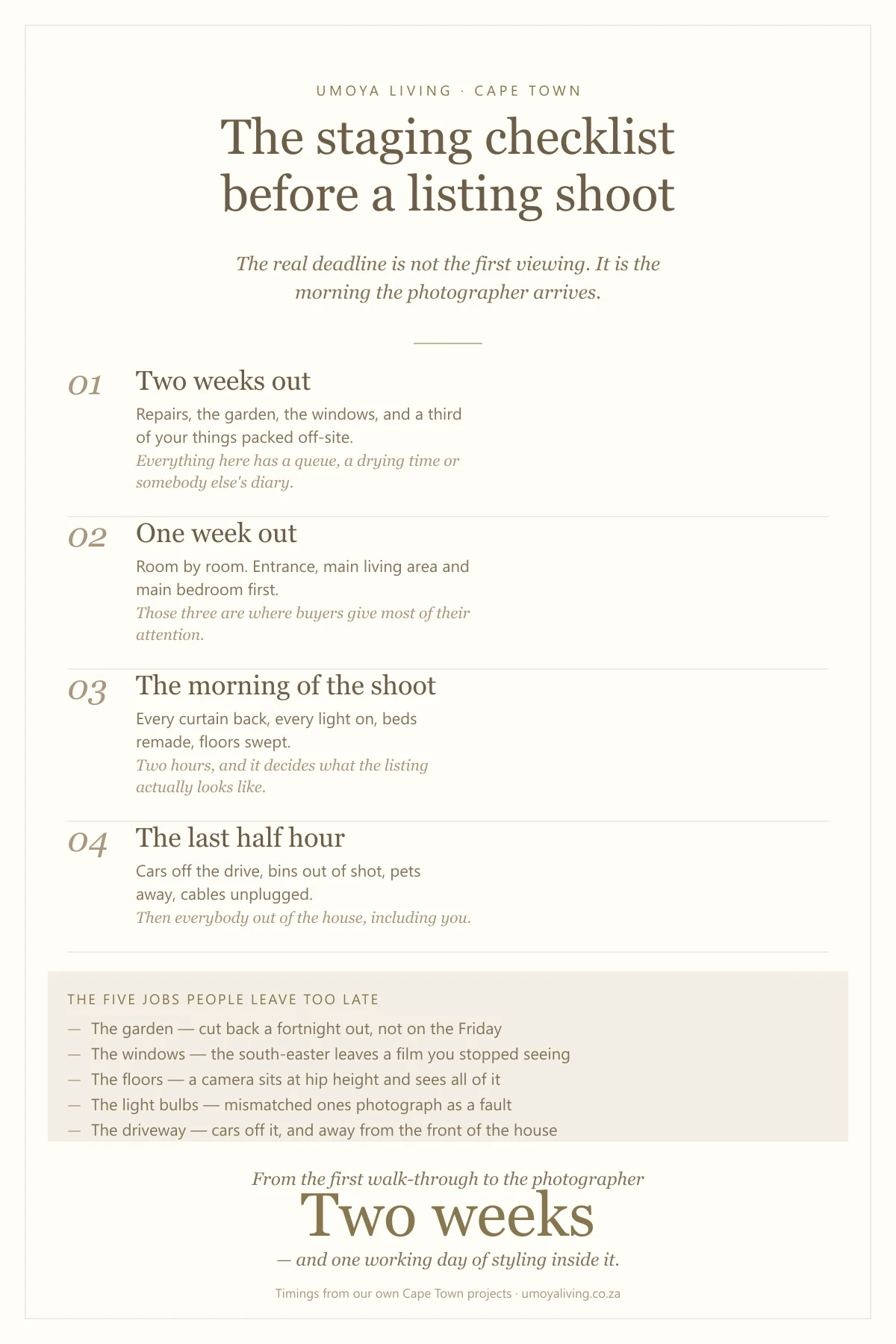
Two weeks out — the things that need time
Everything in this section has a queue, a drying time or somebody else's diary attached to it. Start here and the last week is calm. Leave it and you will be touching up a skirting board at ten at night.
Most of it is not styling at all — it is phone calls to a plumber, a gardener, a window cleaner. We style rather than renovate, so these are yours to book. Every one of them still has to land before the styling will show.
- Book the photographer — and ask for mid-morning or late afternoon rather than midday. Flat overhead light is the least flattering hour in a Cape Town house.
- Get the small broken things fixed. The dripping tap, the blown bulb, the cupboard door that no longer closes, the gate motor that sticks.
- Cut the garden back and sweep it. Anything planted now has a fortnight to stop looking newly planted.
- Have the windows cleaned, inside and out. The south-easter leaves a film you stopped noticing months ago, and it flattens every photograph.
- Pack roughly a third of your things and get the boxes off-site. Not the garage — buyers open the garage.
None of that is expensive, which is rather the point. Goslett again, in Property24's seller's checklist at the end of August: Preparing a home for viewings does not necessarily require major renovations or significant expense. Often, it is the small details that make the biggest impact. That matches what we see. The sellers who spend the most are rarely the ones whose listings photograph best.
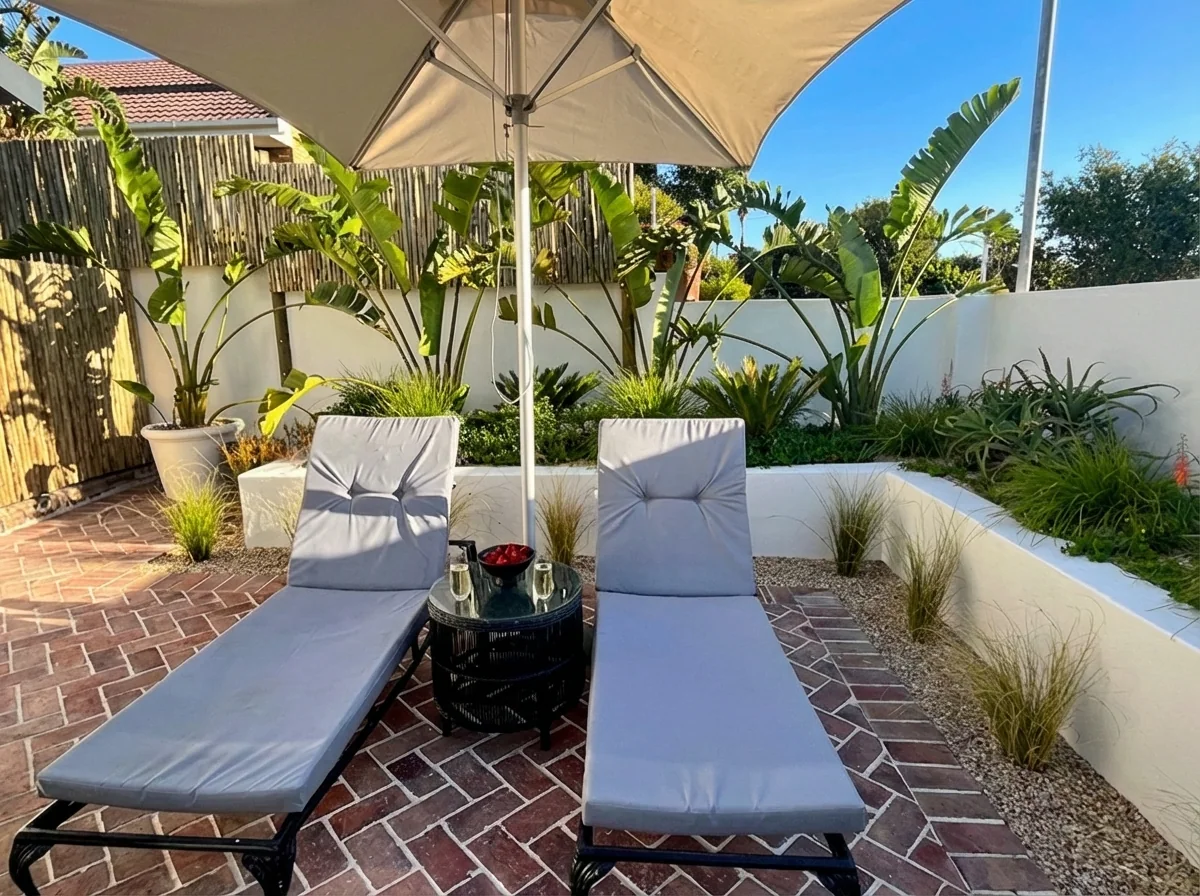
The garden is the job people leave until the Friday, and that is one of the mistakes we come across most. Outside space is very often what separates your house from the near-identical one two streets away, and it gets its own frame in the listing.

One week out — room by room
By now the house should be sound and the garden should be done. This week is about what each room says in a single frame, and it is worth being ruthless about the order. Buyers give the entrance, the main living area and the main bedroom most of their attention, so those three get most of yours.
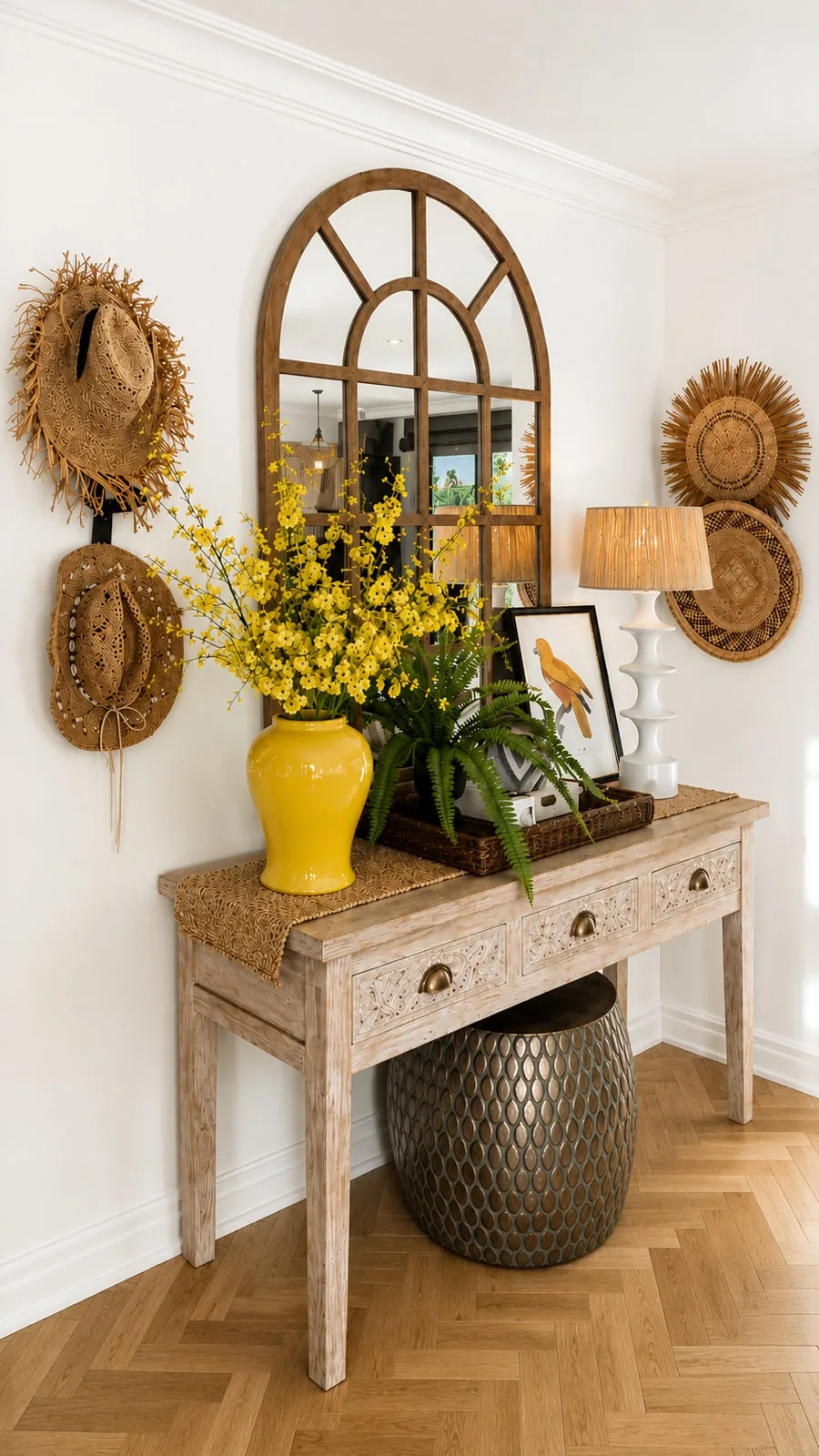
- Entrance. Floor completely clear — no shoes, no dog lead, no recycling. One mirror, and somewhere that keys can land.
- Main living area. Pull the furniture a little off the walls so the room reads as arranged rather than pushed back. One thing on the coffee table. Cables gone.
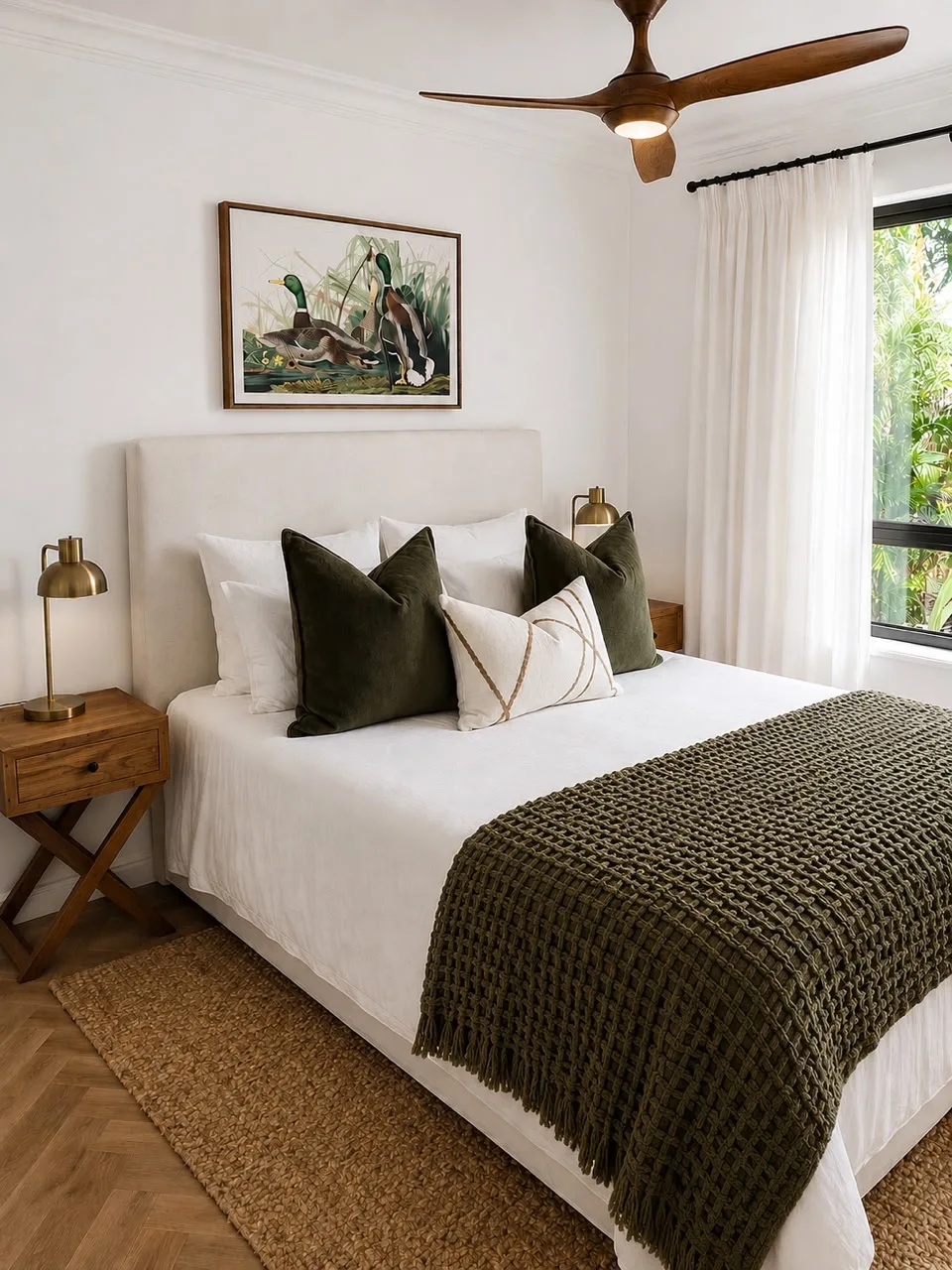
- Main bedroom. Bedsides down to a lamp and one object. Family photographs away. Nothing showing under the bed.
- Kitchen. Worktops down to one board or one bowl. The kettle can stay; the toaster, the dish rack and the cleaning bottles cannot.
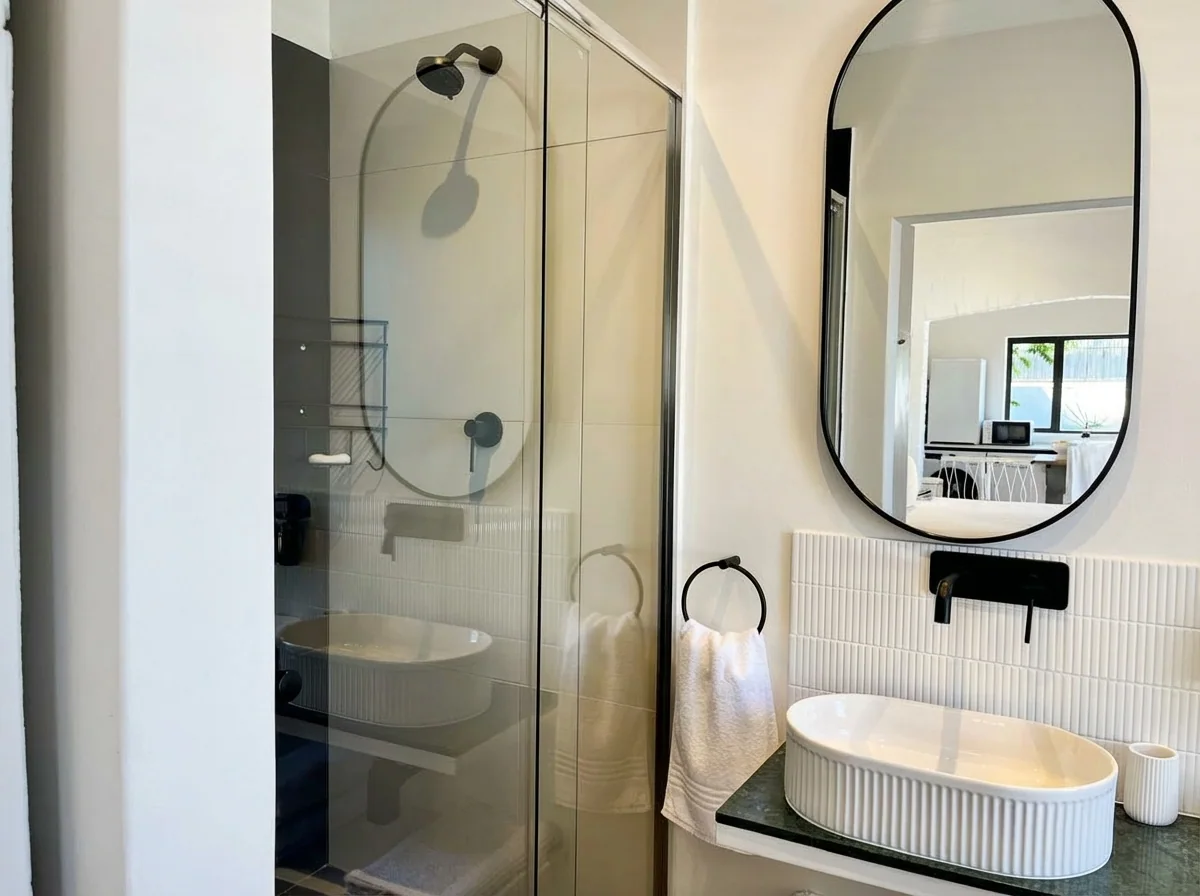
- Bathrooms. Fresh towels, and only white ones. Toiletries into a basket and into the cupboard. Bins emptied and put out of sight.
- Everywhere. Replace bulbs so every fitting in a room is the same colour. Mismatched bulbs photograph as a fault in the room rather than a fault in the lighting.
If you are still living in the house — and most Cape Town sellers are — the hard part is not doing all of this once. It is keeping it done for the six weeks that follow.
The morning of the shoot
This is a two-hour job rather than a ten-minute one, and it is the part that most changes what the listing looks like.
Open the house at least an hour before anyone arrives. Every curtain fully back, every blind up, every light on — including the ones you would never switch on at ten in the morning. Private Property's guide to preparing a home for listing photographs, published in March 2022, puts it plainly: Sellers should also turn on all lights and open all curtains to ensure that the listing photographs are well lit.
Dirt and clutter shows up in professional photographs, which is why sellers are advised to sweep, vacuum & mop the floors before the photographer arrives.
That is Private Property again, and the floors are the part sellers skip, because at eye level there is nothing to see. A camera on a tripod sits at about hip height and it sees all of it — the dust along the skirting, the scuff by the door, the patch the dog sleeps on.
Then the beds. Made properly — stripped back and remade, not pulled up. It is the single most visible difference between a room that photographs as a bedroom and one that photographs as somewhere a person got out of bed twenty minutes ago.
Last, something living in each of the three main rooms. One stem of anything green from your own garden, in a plain glass, does more than a bought arrangement and costs nothing at all.
The last half hour
The half hour before the photographer rings the bell is a different job from everything above. It is the removal of every trace of the morning you have just had.
- Cars off the driveway and away from the front of the house — including the neighbours', if you can ask nicely.
- Bins out of shot. The kitchen bin into a cupboard, the wheelie bins round the side.
- Dog bowls, litter trays, beds and toys away, and the pets themselves out of the house with somebody.
- Every cable you can unplug, unplugged. Chargers, extension leads, the tangle behind the router.
- Toilet lids down, bath mats straight, shower screens dried off.
- Small things gathered onto a tray rather than spread across a surface.
- Then everybody out of the house, including you.
That last one is not politeness, it is practical. A photographer works faster and better in an empty house, and you will spend the hour following them around explaining things nobody has asked about.

How long does the whole thing take?
It is the question we are asked most about all of this. From the first walk-through to the photographer's van pulling away, we work to about two weeks — and most of that is waiting on a plumber, a gardener or a window cleaner rather than on us.
The styling itself is one working day in an average Cape Town family home, occasionally two if the house is large or we are bringing a good deal in. The morning of the shoot is two hours. Keeping it photograph-ready afterwards is roughly a quarter of an hour before each viewing — a far smaller job than the first day, and the one sellers consistently underestimate.
If you would rather not run this yourself — or you have looked at your own lounge so many times that you can no longer see it — that is the whole of what we do. Send us the address and your listing date and we will tell you what we would change, and how long it would take.
Frequently asked questions
What is the best way to stage a house?
Work backwards from the photographs. Two weeks out for repairs, the garden and the windows. One week out, room by room — entrance, main living area and main bedroom first. Then light, beds and flowers on the morning of the shoot.
How long does it take to stage a house?
About two weeks from the first walk-through to the shoot, most of it waiting on tradesmen and window cleaners. The styling itself is one working day in an average home, and the morning of the shoot takes two hours.
What are the key rules for staging a home?
Three. Put your effort into the rooms buyers decide in, never let the house read as emptied rather than edited, and fix the light before you spend anything on new things. The rest of the checklist is detail underneath those.
What are some quick staging tips?
Open every curtain and switch on every light. Clear each surface to one object. Gather small things onto a tray. Make the beds properly rather than pulling them up. Cars off the driveway, bins out of shot.