
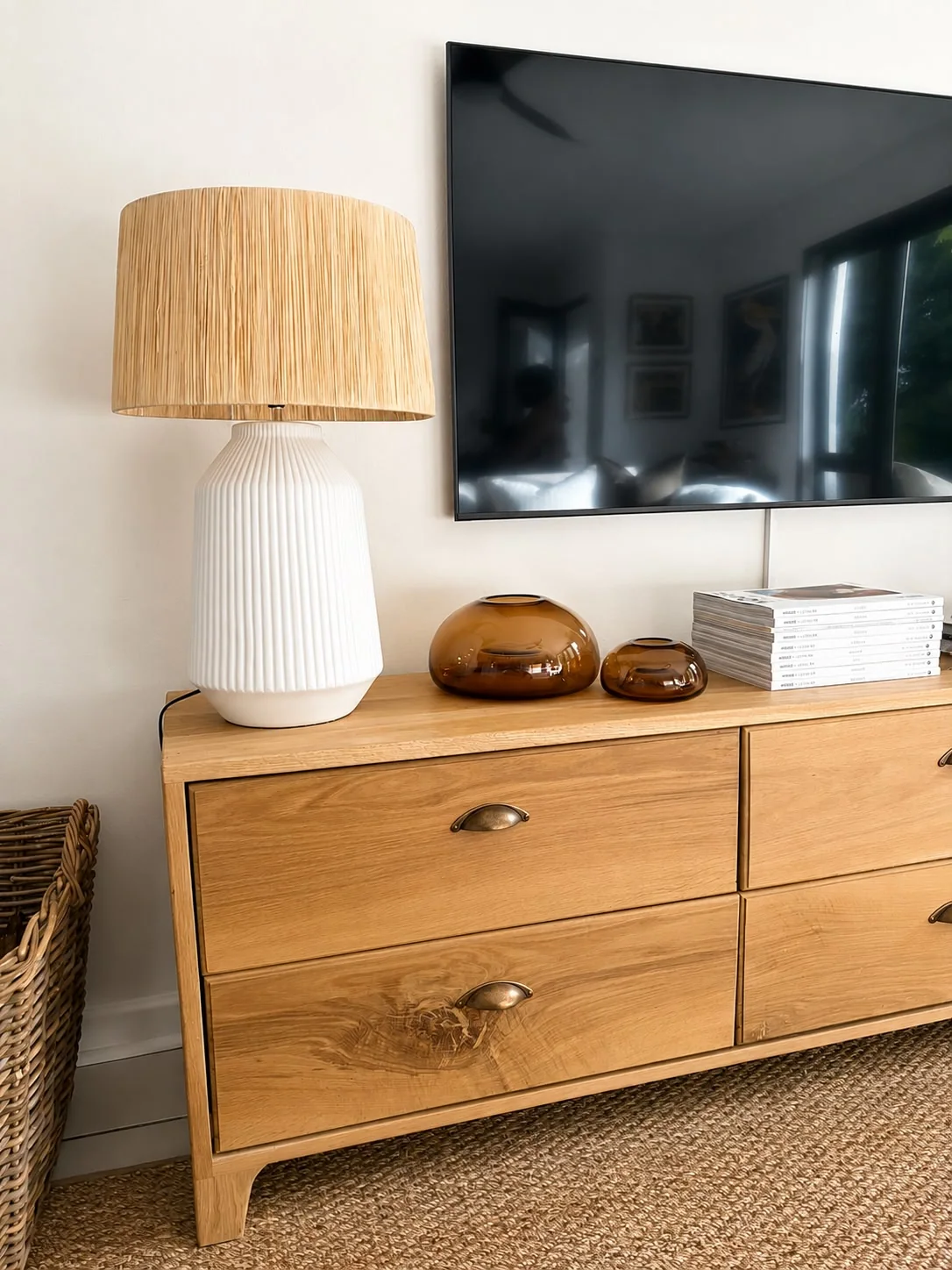
Should you stage a house to sell? It is a fair question to put to a studio that stages houses for a living, and you would expect us to say yes. Mostly we do. But not always, and not always with us in the room.
There are houses where a stylist earns the fee several times over. There are houses where the seller can do nearly all of it on a Saturday. And there are a few where we would tell you to spend nothing at all until something else is fixed. This is how we tell them apart. If you want the cost side first, our note on staging prices sets out the one published South African benchmark. This post is about whether to do it at all.
What home staging actually is
Strip away the television makeover version and it is simple. A Property24 guide from January 2025 describes it as the action of 'dressing up' or 'staging' your home to make it more appealing to prospective buyers. Silvana dos reis Marques, the Leapfrog franchisee for Pretoria East and Irene, gives the reason for doing it in the same piece, and it is the one we would give:
People need to be able to imagine themselves living in the space, which is what home staging helps to do.
It is not decorating, and the difference matters. When we decorate for a client who is staying, we build the rooms around their taste. When we stage, we deliberately edit that taste back, so the house belongs to nobody in particular and a buyer can move in, in their head, on the first visit. Same eye, opposite brief.
The four kinds of staging
In practice it comes in four kinds, and working out which one your house needs is most of the decision.
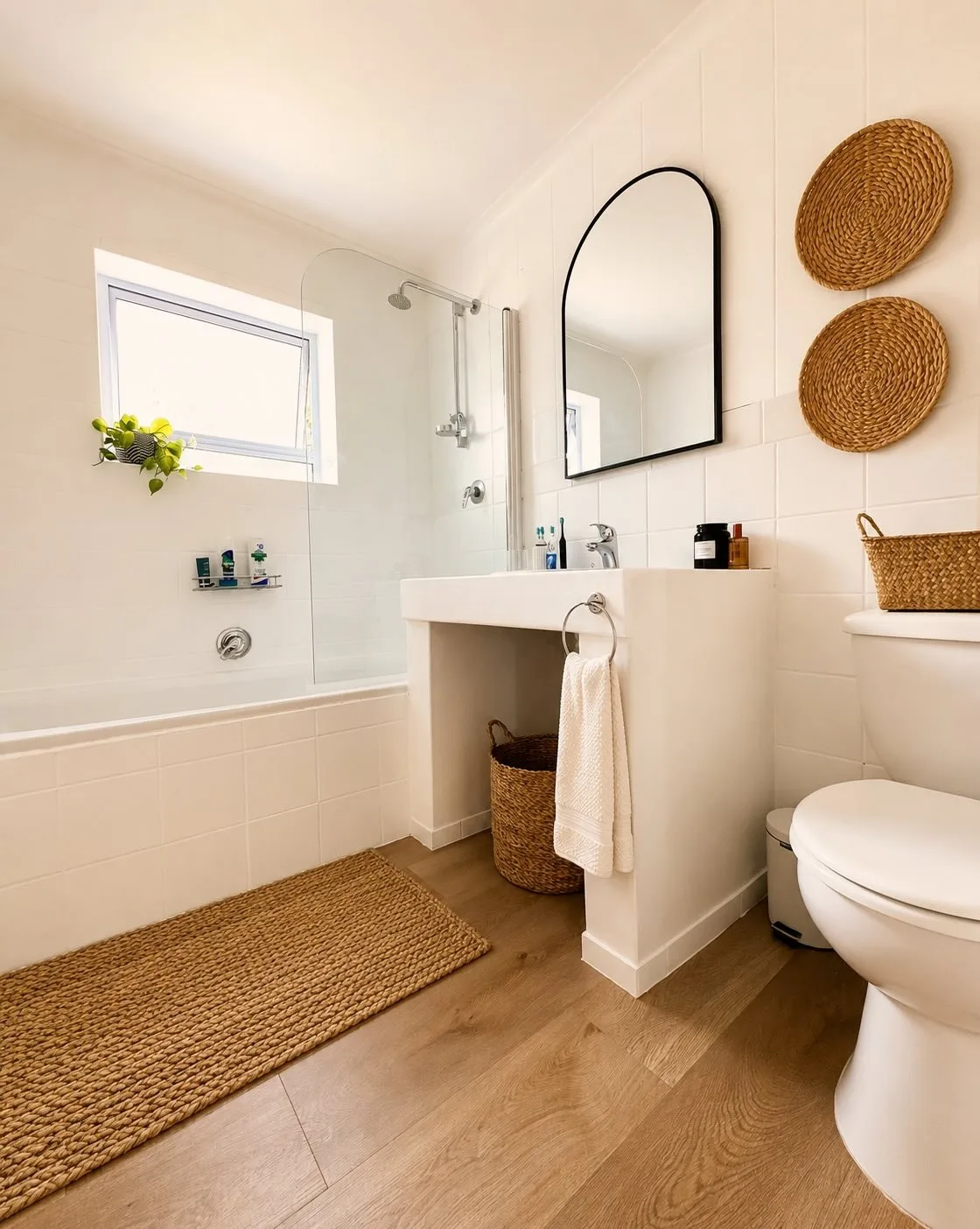
- Lived-in staging. You are still in the house, and we work with what you own: editing, rearranging, moving pieces between rooms and filling a few gaps. This is nearly every house we see in Cape Town.
- Vacant staging. The house is empty, so every piece is hired in, placed and collected again after the sale. It is the most work, and it makes the biggest difference.
- Partial staging. Only the rooms buyers decide in: the entrance, the main living area and the main bedroom. It suits a tight budget, or a house that is mostly fine already.
- Virtual staging. Furniture added to the listing photographs by software. We don't offer it, and it carries a catch.
The catch is the viewing. Property24's look at virtual staging, from March 2020, puts it in one line: when a potential buyer arrives they still see a vacant home. The same piece passes on an insurer's advice that any photos that are digitally altered should be clearly labelled. However clearly it is labelled, a buyer who falls for a furnished photograph and then walks into an empty room tends to feel misled.
When staging is clearly worth it
In our experience there are four situations where bringing someone in pays its way.
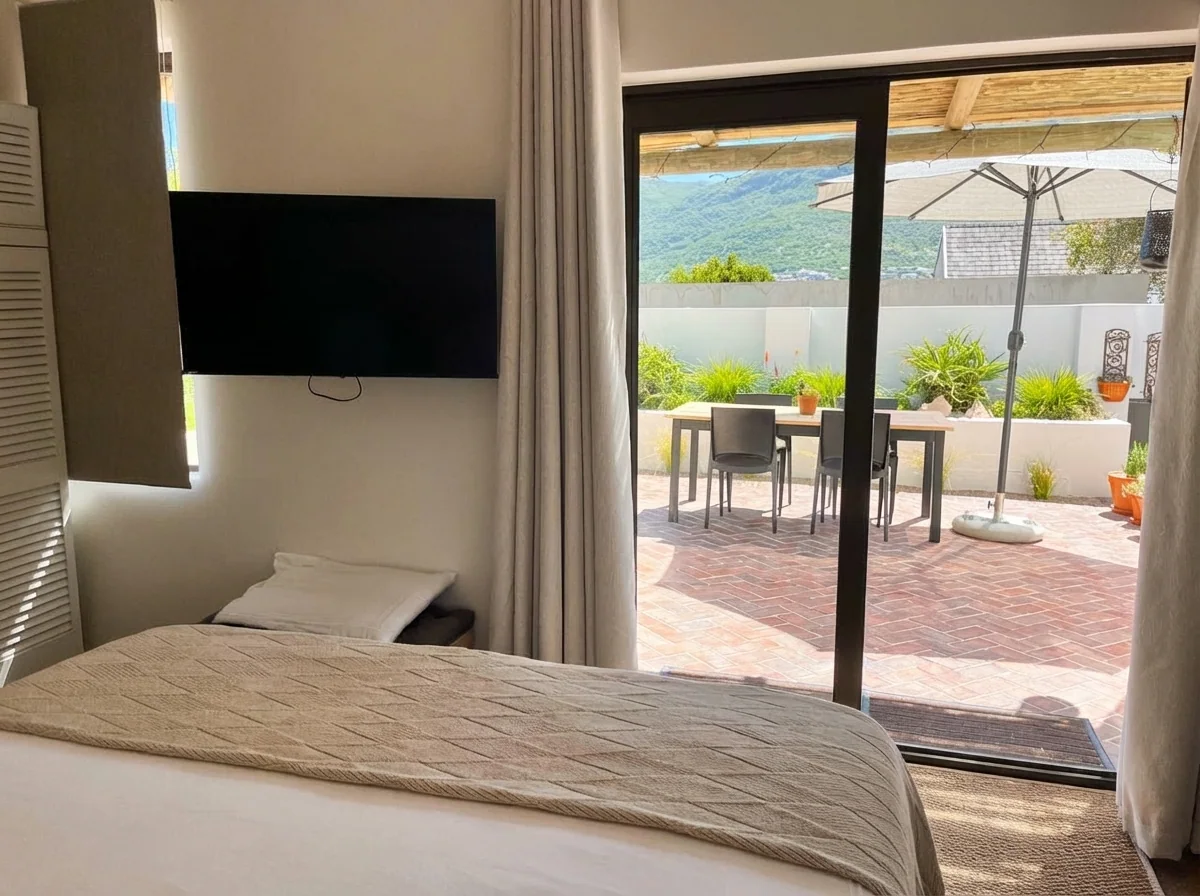
The rooms are empty, or nearly. This is the strongest case by a distance. Empty rooms photograph flat, and they give a buyer nothing to judge the scale of a room against, so a generous lounge reads as a smallish box.
Your house looks like the three on either side of it. In a street of similar houses at similar prices, the listing is the only place yours can be different. Rowan Alexander, a Cape Town Northern Suburbs estate agent, writing on Property24 in 2017, describes what happens when presentation works: If the buyer is strongly drawn to the home, they may overlook certain factors on their criteria list, such as having three rather than four bedrooms, or a single instead of a double garage.
The listing photographs have not been taken yet. Staging after the shoot is staging for the viewings only, and the photographs decide whether there are any viewings. If you are going to do it, do it first.
You can no longer see the house as a stranger would. Nobody can, after a few years in it. That is not a failing; it is simply what living somewhere does. It is also the one part of the job a seller genuinely cannot do alone.

When you can do most of it yourself
If you are still living in the house, you probably need less help than you think. RE/MAX of Southern Africa's list of budget-friendly fixes, published on Property24 at the end of September, is clear that this is not a shopping trip: This does not mean that you need to go out and buy new furniture. Use what you have to stage your home effectively.
We agree, and it is where we start in every lived-in house. Clear the surfaces, pack a third of your things, move the best pieces into the rooms that matter, and open every curtain. The checklist we run before a listing shoot is the order we do it in, and very little of it needs a professional.
Where a stylist earns a fee in a lived-in house is judgement rather than labour: which of your things stay out, which move and the two or three pieces worth bringing in to pull a room together.
When we would tell you to wait
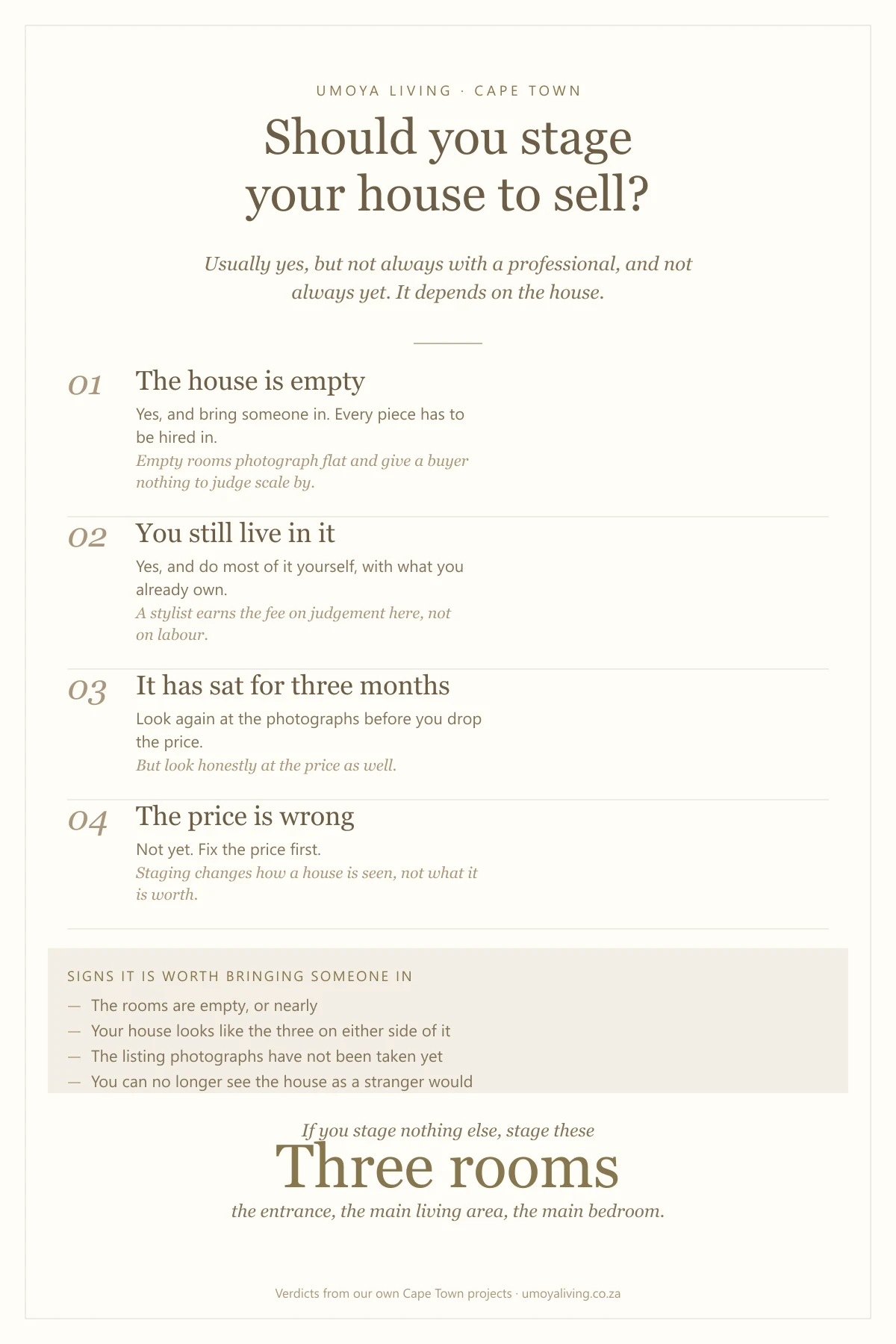
It has sat for three months. Adrian Goslett, CEO of RE/MAX of Southern Africa, writes that same article for the seller whose house has been on the market for longer than three months. He lists the usual suspects: market conditions, poor quality listing photos, an underperforming real estate agent, or an over inflated asking price. Look again at the photographs before you drop the price. But look honestly at the price as well.
The price is wrong. If your agent is telling you the price is the problem, fix the price first. Staging an overpriced house mostly gets it admired for longer.
Staging changes how a house is seen, not what it is worth.
The buyer will knock it down. If the house is really being sold for the plot, to someone who plans to build something else on it, nobody is going to look at the cushions. Cut the garden back, sweep the drive, and keep your money.
So, should you?
If the house is empty, yes, and bring someone in. If you are still living in it, yes, and do most of it yourself, with a second pair of eyes if you can get one. If it is overpriced, not yet. And if you stage nothing else, stage three rooms: the entrance, the main living area and the main bedroom, because those are the rooms buyers decide in.
Not sure which of those your house is? Tell us about it and we will give you a straight answer, including when the answer is that you don't need us. And if you do, how we stage Cape Town homes sets out what the job involves.
Frequently asked questions
What does it mean to stage a house?
To prepare it for sale so buyers can picture themselves living there. That means editing, rearranging and sometimes hiring in furniture, so the rooms read as light, spacious and cared for in photographs and in person.
What are the benefits of staging a house?
Better listing photographs, more interest and buyers who connect with the house rather than its clutter. A buyer who is strongly drawn to a home may overlook a missing bedroom or a single garage.
What are the different types of home staging?
Four, broadly: lived-in staging with the owner's own furniture, vacant staging with everything hired in, partial staging of just the key rooms, and virtual staging, where furniture is added to the photographs by software.
What are the responsibilities of a home stager?
To see the house as a buyer will, decide what stays, moves or goes, bring in and place anything that is missing, and have the house ready before the listing photographs are taken.